Web Stories
Do You Feel Colder Than Others? Here’s What Your Body Is Trying To Tell You


Have you ever been wrapped in a sweater and shawl while everyone else is perfectly comfortable in a single layer? Or found your hands turning icy in a mildly cool room while your friends barely notice the temperature drop? If so, there are genuine biological reasons behind this. Our bodies are constantly working to maintain a stable internal temperature. But the efficiency of that system varies from person to person, influenced by everything from body composition to hormones and circulation. Here are some reasons why some people feel colder than others.
Related: Does Winter Make You Feel Like You’re 90 Years Old? Ayurvedic Treatment Kizhi Is What You Need
1. Low muscle mass
Muscle plays a key role in heat generation. When you move, shiver, or even sit still, your muscles produce warmth as a by-product of burning energy. People with lower muscle mass naturally generate less heat, which can make them feel colder, especially when resting. This is one reason why elderly individuals or people who don’t engage in much physical activity often struggle more with feeling cold.
2. Hypothyroidism
Your thyroid gland plays a huge role in regulating metabolism, essentially how fast your body burns energy to produce heat. When you have an underactive thyroid gland (hypothyroidism), metabolism slows down. This reduced energy output can make you feel persistently cold, even when others are comfortable. Weight gain, tiredness and dry skin often come along with it.

3. Low body fat
Body fat acts like insulation, helping trap heat and keep it close to your core. Those with very low levels of body fat don’t have that protective layer, allowing heat to escape more quickly. While body fat shouldn’t be viewed as something to chase for warmth alone, extremely low levels can make it much harder for the body to stay warm.
4. Anaemia
Anaemia occurs when you don’t have enough healthy red blood cells or haemoglobin to carry oxygen efficiently around the body. When tissues receive less oxygen, heat production drops and circulation can suffer. Cold hands, cold feet, and a constant chill are common complaints among people with anaemia, along with fatigue, dizziness, and breathlessness.
5. Raynaud’s phenomenon

Raynaud’s phenomenon causes blood vessels in the fingers and toes to constrict dramatically in response to cold or stress. When this happens, less warm blood reaches the extremities, causing them to turn white or blue and feel painfully cold or numb. For people with Raynaud’s, even mild temperature changes, like holding a cold drink or walking into an air-conditioned room, can trigger symptoms.
6. Anorexia nervosa
Anorexia nervosa involves severe restriction of food intake, leading to significant weight loss, low body fat, and reduced muscle mass. With fewer calories coming in, the body slows down many processes to conserve energy, including heat production. As a result, people with anorexia often feel intensely cold, sometimes even in warm environments.
7. Being a woman
Women tend to feel colder than men on average, and science backs this up. Hormonal differences, lower average muscle mass, and variations in circulation play a role. Estrogen can affect how blood vessels widen and narrow, sometimes pulling heat away from hands and feet to prioritise vital organs. That’s why women often complain of cold fingers while men are perfectly cosy.
8. Low blood pressure
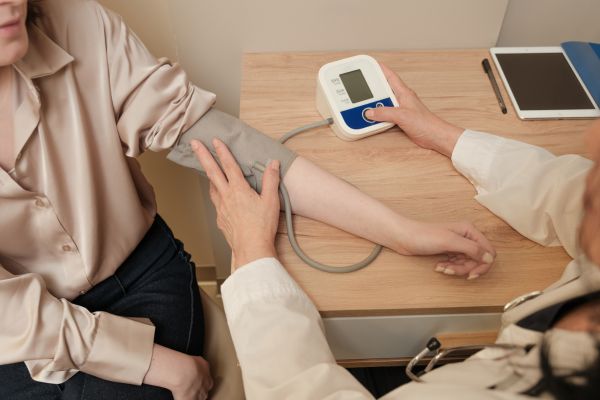
Blood pressure helps push warm blood throughout your body. When it’s low, circulation can be less efficient, meaning less warmth reaches your extremities. This can leave you feeling chilled, lightheaded, and more sensitive to colder environments.
9. Dehydration
Even short-term dehydration can make you feel colder than usual. Blood volume drops when you’re dehydrated, which affects circulation and the body’s ability to regulate temperature efficiently. In simple terms, less fluid means your body struggles to distribute heat properly, leaving you feeling unexpectedly chilly.
When should feeling cold be a concern?
Feeling colder than others occasionally is normal, especially in winter or after sitting still for a long time. But if you’re constantly cold while others aren’t, or if it comes with fatigue, weight changes, dizziness or numbness, it’s worth speaking to a doctor. Sometimes it’s simply body composition, but it can also signal an underlying health issue.
FAQs
Q1. Can stress make you feel colder?
Yes, stress can constrict blood vessels, reducing warmth in your hands and feet.
Q2. Does ageing affect how cold you feel?
As we age, circulation slows, and muscle mass often decreases, making it easier to feel cold.
Q3. Can certain medications cause cold sensitivity?
Some heart, blood pressure, and anxiety medications can affect circulation or metabolism.
Q4. Is feeling cold linked to poor circulation alone?
Not always. Hormones, nutrition, and metabolism also play major roles.
Q5. Does eating regularly help with warmth?
Yes, digestion produces heat and fuels your metabolism, supporting body temperature.
Q6. Can being underweight make you colder even in summer?
Absolutely. Low fat and muscle reduce insulation and heat production year-round.
Images Source
Featured Image Source
Related: Your Food Cravings Tell You A Lot About Your Health. Here’s What They Mean
- Share:
-

-

-