Web Stories
Women Suffer From IBS More Than Men: The Science Behind The Gender Gap


If you’ve spent any time on social media lately, you might have stumbled across the tongue-in-cheek declaration: “Hot girls have IBS.” While this is a humorous way to cope with an uncomfortable reality, there’s truth behind this. Irritable bowel syndrome or IBS affects four to seven per cent of Indians and 10-20 per cent of the global population. Out of this, 65 per cent sufferers are women. So, it’s safe to say that women suffer from IBS more than men. Research shows that women experience IBS at approximately 1.8-2 times the rate of men. But why? What makes women’s digestive systems so much more vulnerable to this frustrating condition?
The hormone connection
The most compelling theory centres on hormones. If you’re a woman with IBS, you’ve probably noticed your symptoms worsen during your period. Studies have shown that female sex hormones play an important role in regulating stress sensitivity, gut motility, and visceral pain perception. In simpler words, estrogen increases our pain sensitivity, making the discomfort we feel in our colon stronger.
Both estrogen and progesterone help with smooth muscle contraction, and progesterone regulates the colonic serotonin system that controls peristalsis, the contraction of muscles due to which the food moves forward in the digestive tract. This explains why women with IBS experience constipation more often than men, except during menstruation when hormone levels drop.
Interestingly, there’s another hormonal factor at play: the thyroid. Hypothyroidism, which is more common in women, can lead to small intestinal bacterial overgrowth (SIBO), which may contribute to IBS symptoms. Research suggests that caring for gut health can resolve symptoms related to thyroid dysfunction. The hormone hypothesis gains even more credence when you look at age patterns. The peak onset of IBS in females happens in their late teens to early 30s. Later, they become more susceptible to the issue during perimenopause and menopause. It’s only around age 70 that the number of IBS cases in women levels out with that of men, coinciding with hormonal stability.
Studies have also found that people with IBS generally have much lower microbiota diversity compared to healthy individuals. What’s particularly interesting is that sex hormones influence the composition of intestinal microbiota, creating a potential indirect role for gut microbiome in the development of IBS. Female sex hormones help maintain the diversity of the intestinal microbiota, so when these hormones decrease during menopause, IBS is triggered.
The stress connection
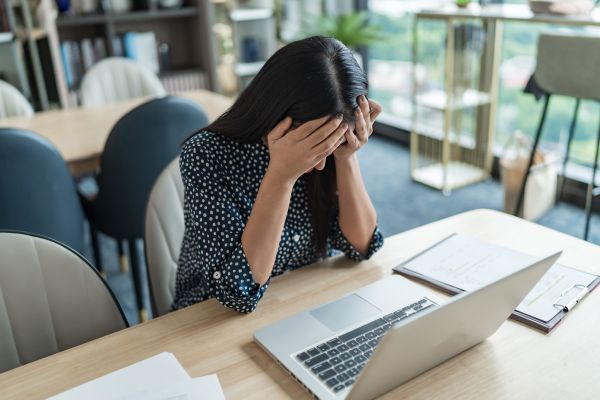
Women aren’t just more likely to develop IBS; they also tend to experience it differently. Women with IBS reported lower quality of life, more fatigue, depressed mood, less positive well-being and self-control, and higher levels of anxiety compared to men with IBS.
We are more likely than men to experience stress, and stress affects us differently, including in the gut. When you’re in a constant state of fight or flight, your gut stops moving consistently, which can result in constipation and other IBS symptoms. The brain-gut axis is bi-directional, meaning stress can trigger gut symptoms, and gut symptoms can worsen stress, creating a vicious cycle.
Another troubling finding: many chronic pain disorders that frequently overlap with IBS, such as migraines, chronic fatigue syndrome, fibromyalgia, and pelvic pain, are more common in women. Data also shows that women with IBS and conditions like PCOS or endometriosis tend to have more severe pelvic pain.
Understanding these gender differences isn’t just academically interesting; it has real implications for treatment. Studies show that women and men respond differently to IBS treatments, with women often reporting better outcomes in terms of symptom relief following pharmacological treatments.
The complexity of IBS means there’s no one-size-fits-all solution. For women, treatment might need to account for hormonal fluctuations, stress management, and potential food intolerances. Until we get a more balanced representation of gender, ladies, a low FODMAP diet, which means increasing soluble fibre, regular exercise, and medications when necessary, is your weapon.
Images Source
Featured Image Source
Related: Women Must Suffer Longer To Be Taken Seriously By Doctors. This Endometriosis Study Proves It
FAQs
Q1. Can birth control pills trigger IBS?
Yes, birth control pills can trigger IBS since they alter estrogen and progesterone levels in the body. However, this might not be universal.
Q2. Does pregnancy affect IBS symptoms?
Pregnancy can both worsen and improve IBS, depending on the individual.
Q3. Can IBS cause fertility issues?
While IBS cannot directly cause infertility, research shows women with IBS have higher rates of endometriosis and PCOS, which can affect fertility.
Q4. Does breastfeeding impact IBS?
Breastfeeding can temporarily improve IBS symptoms for some women due to elevated oxytocin and prolactin levels, though dietary restrictions during nursing may be challenging.
Q5. Do certain foods trigger IBS in women more than in men?
Women with IBS often report more sensitivity to fatty foods, caffeine, and artificial sweeteners.
- Share:
-

-

-