Web Stories
Vastu For Brahmasthana: How The Centre Of Your Home Affects Your Finances, Health, And Mental Wellbeing
Going broke every month or facing payment delays at the workplace? Do you constantly remain anxious or tired? Have family or relationship conflicts become a part of your life? Well, these issues aren’t coincidental. All of them point towards the disturbed centre of your home, which is causing the mental and physical unrest. According to Vastu Shastra, the most powerful and sensitive area of your house is its centre, brahmasthana.
It represents Lord Brahma, the creator of the universe. So, brahmasthana acts as the origin point from which prana, or life energy, spreads in all directions of the house. If the centre is blocked, the energy reaching other areas weakens, no matter how well those areas are designed. This silently affects health, relationships, mental clarity, and financial stability.
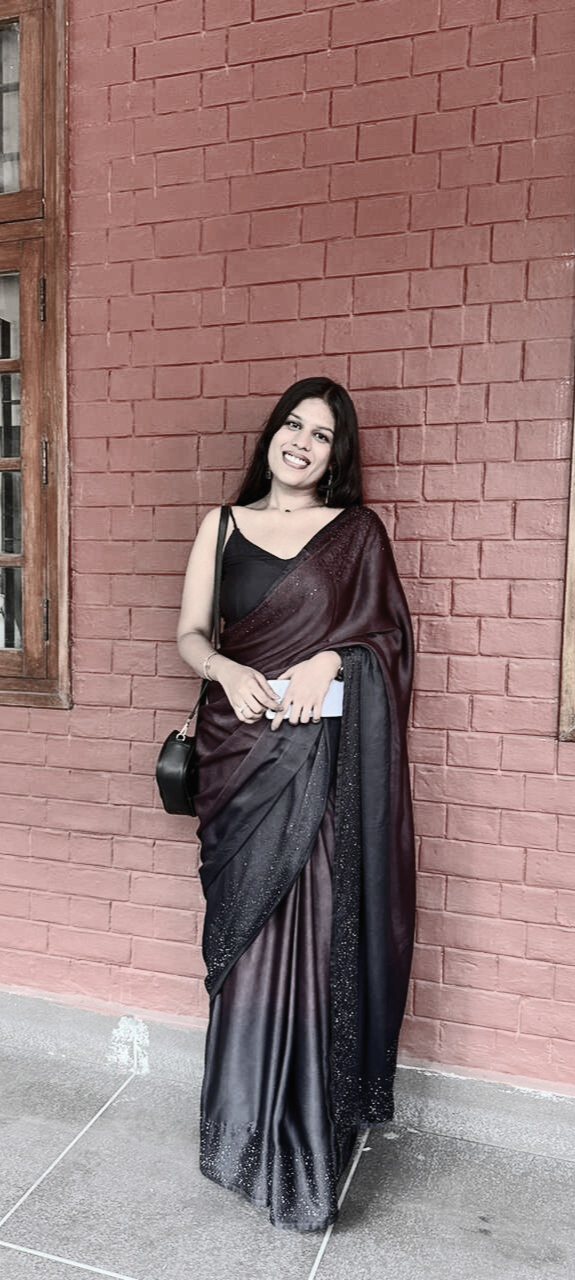
We asked astrologer and Vastu consultant Richa Pathak about how brahmasthana works and remedies to fix its doshas. Here’s what she suggests.
Related: Vastu Tips For Digital Detox: Ideal Directions To Place Mirrors And Electronics For Mental Peace
How to maintain the brahmasthana at home

According to Richa Pathak, a balanced brahmasthana supports healthy relationships, financial flow, and physical and mental well-being. To achieve this, you should keep the centre of your home light and open. This often leads people to wonder whether the brahmasthana must remain entirely empty or if it is just a Vastu myth. “While the intention behind this belief is correct, its interpretation is often misunderstood,” Richa says. She clarifies that the brahmasthana should be breathable, not completely empty. The centre should allow energy to circulate naturally without obstruction or heaviness.
What to place in the brahmasthana

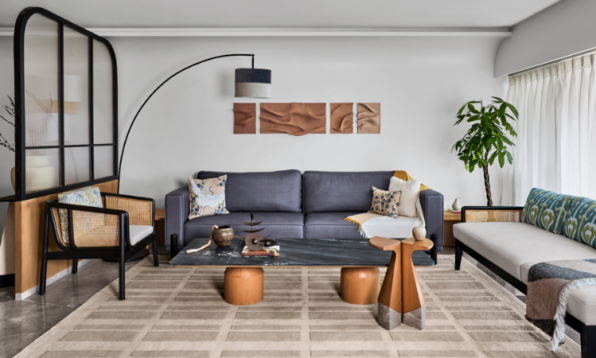
In Vastu Shastra, brahmasthana functions best when it remains neutral, clean, and calm. Richa suggests opting for light décor and clean flooring, ensuring proper ventilation, and keeping the brahmasthana open enough for easy movement. If you’re keeping any décor item, make sure it is in light colours, including beige, white, or pastel yellow. Richa also suggests decorating the brahmasthana with subtle rangoli designs or minimal Vastu symbols.
“Avoid keeping heavy furniture, including cupboards or storage units,” the Vastu expert says. Don’t install toilets, bathrooms, large electrical structures, kitchens, or fire-heavy elements in the centre of your home, as they cause negativity. Avoid placing heavy chandeliers or layered false ceilings right above the brahmasthana. “You should keep the brahmasthana clutter-free by not keeping dustbins or shoe racks there”, Richa Pathak suggests. When you burden the centre, the entire home feels burdened. This often manifests as emotional heaviness or recurring obstacles in daily life, according to Richa.
How staircases and pillars affect the brahmasthana‘s positive energy

Anything heavy in the centre of the home compresses energy. “Heavy furniture restricts movement of prana, staircases create continuous pressure, and pillars distort natural energy flow,” Richa Pathak explains. If you live in such a space, the disturbances caused by heavy furniture in the brahmasthana first impact you subtly. You might experience constant mental fog and frustration. This can later reflect as financial instability and unhealthy relationships. But what if you live in rented or small apartments where you can’t keep the brahmasthana free of heavy furniture?
Vastu remedies to fix the brahmasthana dosha
“Even when you can’t remove the structural elements from the brahmasthana, you should not ignore their energetic impact,” Richa says. Follow these Vastu-approved remedies to balance the energy of the centre of your home without demolishing or removing any existing structure.
- Keep the centre well-lit at all times.
- Keep the brahmasthana clutter-free and visually light with minimal furniture or décor.
- Place a brass or copper Vastu pyramid if needed.
- Use clear quartz or crystal energisers.
- Light incense sticks or loban (frankincense) weekly to restore the positive energy in the home.
- Avoid dark colours or heavy rugs in the brahmasthana area.
“Even when you can’t keep the brahmasthana open, practise these remedies consistently with a positive mindset to restore harmony in your home,” Richa suggests.
If you want to connect with astrologer and Vastu consultant Richa Pathak for more personalised Vastu-related advice, you can find her on Instagram or her website, www.jyotishdham.com.
Featured Image Source
Related: Is Lucky Bamboo Plant Really ‘Lucky’ For You? What Vastu Says About Its Nature, Placement, And Care
FAQs
Q1. Which colour of objects should we place in the brahmasthana according to Vastu?
While following Vastu Shastra for the brahmasthana, keep objects in light, calming shades, including white, cream, beige, light yellow, or soft pastels.
Q2. How can we calculate the centre of the house according to Vastu?
Draw imaginary diagonal lines from opposite corners of the built-up area. The point where they intersect is the brahmasthana, the centre of the house, according to Vastu.
Q3. Can we make a mandir in the brahmasthana?
Yes, according to Vastu, you can place a mandir in the brahmasthana, provided the space remains open, light, and uncluttered. Avoid heavy structures or enclosed rooms, and keep the mandir as minimal as possible to maintain energy flow.
Q4. Can we place water features or fountains in the brahmasthana?
No, you should avoid placing water features or fountains in the brahmasthana, as they can disturb the centre’s energy and block the positive energy of the home. Follow this Vastu guide to keep water elements at home.
Q5. Does sleeping over the brahmasthana affect Vastu energy?
Yes, you should not sleep directly over the brahmasthana, as it can disrupt the central energy and affect health, peace, and overall harmony in the home.
- Share:
-

-

-