Web Stories
Your City’s High AQI Could Be Making Your Periods More Painful. Here’s All You Need To Know


Have you been experiencing heavy or painful periods for the past few months? That smoggy skyline and ‘severe’ Air Quality Index could be the reason. Yes, dirty air could be playing a bigger role in your period than you realise and research proves it. If you live in areas with high AQI, you are likely to develop a condition called dysmenorrhea, a medical term for severe menstrual cramps. And the worst part is, this is a lifelong condition with no cure.
Related: Acupuncture For Painful Period Cramps And PCOS: What To Expect From The Therapy
Periods and pollution: The studies that changed the conversation
A landmark study from China Medical University Hospital in Taiwan examined health data from nearly 300,000 women and girls aged 16 to 55 over 13 years. The takeaway was jaw-dropping: people living in highly polluted areas had up to 33 times higher risk of developing dysmenorrhoea than those breathing cleaner air. It is the first study to firmly link long-term air pollution exposure with debilitating period pain. Over the course of the study, 4.2 per cent of participants were diagnosed with dysmenorrhoea for the first time, and higher pollution exposure was a key factor.
Researchers didn’t stop there. A mobile health app study also found that long-term exposure to PM2.5 (fine particulate matter) was linked to abnormally long or short menstrual cycles, showing that pollution doesn’t just worsen cramps; it can disrupt the entire cycle.
And if you think this begins in adulthood, you’re wrong. A Boston University study discovered that exposure to air pollution during teenage years (14-18) was associated with more menstrual irregularity and longer time to reach regular cycles in adolescence and early adulthood.
Together, these studies paint the same picture: polluted air and painful, irregular periods are more connected than we once imagined.
Who is the culprit?
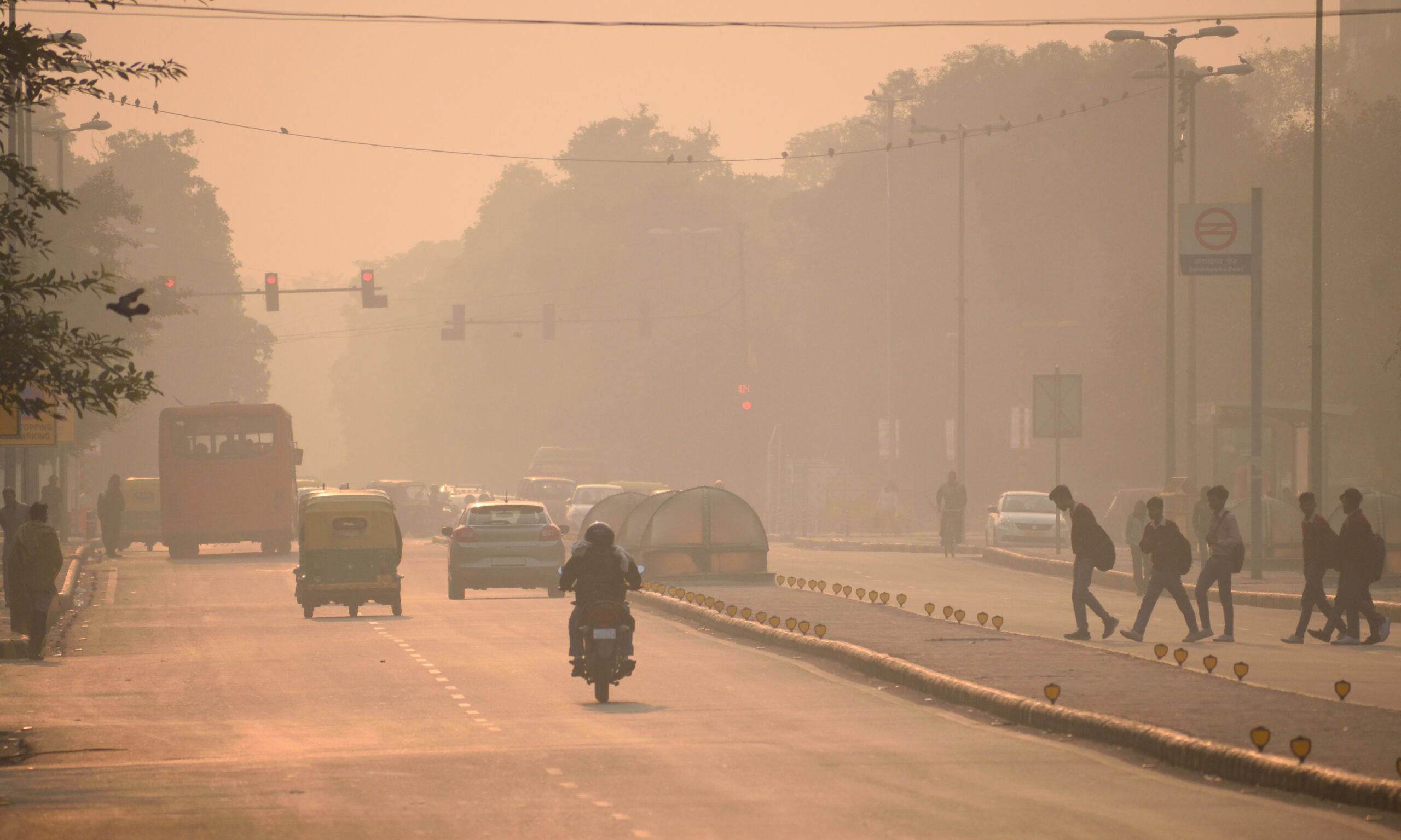
Which pollutants are the worst offenders? The research team identified several key culprits: nitrogen oxides (NOx, NO, NO₂), carbon monoxide (CO), and perhaps most significantly, fine particulate matter known as PM2.5.
PM2.5 showed the strongest individual effect on menstrual pain. These microscopic particles that are smaller than 2.5 micrometres in diameter are small enough to penetrate deep into your lungs and slip into your bloodstream. They come from vehicle exhausts, industrial emissions, indoor cooking, fireplaces, and even seemingly innocent activities like barbecuing or vacuuming.
Scientists identify PM2.5 as a key concern because these particles can lodge deep in the lungs and move into the bloodstream, triggering chronic low-grade inflammation and oxidative stress throughout the body.
Why dirty air can make cramps unbearable
Scientists believe pollution worsens period pain through several pathways:
- boosts prostaglandins (the chemicals that trigger uterine contractions)
- increases oxidative stress and inflammation
- disrupts hormones and menstrual cycle timing
- increases emotional stress which amplifies pain perception
Prostaglandins are key here. Your body needs them to help the uterus contract and shed its lining, but too many can lead to stronger contractions, reduced blood flow, and more pain signals. Pollution appears to fuel prostaglandin production, creating a loop: pollution leads to inflammation, which leads to more prostaglandins, resulting in intense cramps.
This research adds menstrual health to the growing list of systems affected by air pollution, alongside respiratory, cardiovascular, and cognitive health. But what can you do? You may not be able to clean the city’s air, but you can protect yourself. Avoid outdoor workouts on high-AQI days. Ventilate indoor spaces. Use air purifiers where possible. Stay hydrated. Listen to your body instead of forcing yourself to push through it. And most importantly, don’t brush off severe pain; talk to a doctor.
Period pain isn’t just in your head. It’s in your hormones, your environment, and yes, the very air you breathe. And that’s something we should be talking about a lot more.
Featured Image Source
Related: Forget Air Purifiers, This Leafy Plant Is More Helpful In Fighting Stubborn Air Pollution
FAQs
Q1. Can air pollution affect my period even if I don’t have cramps normally?
Yes, air pollution can trigger dysmenorrhoea in people who previously didn’t experience severe period pain and can also cause cycle irregularities.
Q2. How long does it take for air pollution exposure to affect menstrual health?
The research shows cumulative effects from long-term exposure over years, though acute pollution spikes may trigger more immediate inflammatory responses. Teenage exposure (ages 14-18) is particularly impactful.
Q3. If I move to an area with better air quality, will my period pain improve?
Potentially. Reducing pollution exposure should decrease inflammation and prostaglandin levels over time, though individual responses vary.
Q4. Does air pollution affect fertility or other aspects of reproductive health?
Yes, emerging research links pollution exposure to reduced fertility, pregnancy complications, and hormonal imbalances, though more research is needed.
Q5. Are there specific times of the month when air pollution exposure is more harmful?
Possibly just before and during your period, when prostaglandin production peaks, and potentially during the luteal phase post-ovulation.
- Share:
-

-

-