Web Stories
Nabhi Therapy In Ayurveda: Put These Oils On Your Belly Button To Prevent Dryness, Hormonal Imbalance, And More


Did your mum put warm hing and ghee on your belly button whenever you had a stomach ache as a kid? Did your grandmother tell you that she used to massage your navel area with oil to keep your immunity intact as a baby? This classic Indian household experience isn’t just a desi nuskha but an ancient Ayurvedic technique called nabhi chikitsa or navel oil pulling. For generations, this method has worked wonders for our tummy issues, skin dryness, and more. But do you know that navel oiling is only helpful if you use the right oils according to the intensity of pitta, kapha, and vata in your body? Here are some of the best essential oils to try for navel oiling this winter.
Related: Desi Girl Wellness Routine: Ayurvedic Rituals For Winter Wellbeing And Glowing Skin
1. Castor oil

If you have vata dosha, navel pulling with castor oil will be most beneficial. Castor oil helps heal dry skin, and it’s best applied during the winter season. Do you struggle with stiff joints, muscle pain or menstrual cramps? The oil reduces inflammation, improving blood flow, thereby reducing muscle pain or menstrual cramps. Castor oil also improves digestion and gut health by preventing constipation, bloating and gas.
Related: Can Castor Oil Help You Lose Weight? Here’s What You Don’t Know
2. Neem oil
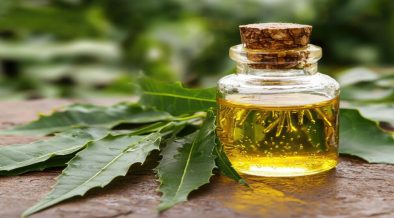
If you deal with pitta or kapha doshas, you should try applying neem oil to your belly button this winter. This oil purifies your blood, reducing acne, pimples and skin irritation caused by excessive pitta. Navel pulling with neem oil also prevents congestion and indigestion caused by kapha dosha. Practise navel oiling with neem oil to get clear skin and a healthy digestive system this winter.
3. Peppermint oil

Peppermint oil has a cooling effect, making it one of the best oils to balance the pitta, kapha, and vata doshas. Do you deal with nausea and morning sickness? Try navel oiling with peppermint essential oil mixed with coconut or jojoba oil. Peppermint oil’s pain-relieving properties reduce abdominal discomfort. It also stimulates the digestive organs, easing stomach problems like gas and bloating.
4. Ginger oil

Due to its warm nature, ginger oil, when applied to the belly button, helps alleviate cold and indigestion caused by kapha and vata doshas. The anti-inflammatory properties of ginger oil in Ayurveda reduce muscle discomfort and abdominal pain. Do you also deal with poor sleep quality? If you massage ginger oil gently around your navel, it activates the parasympathetic nervous system, reducing stress.
5. Sesame oil
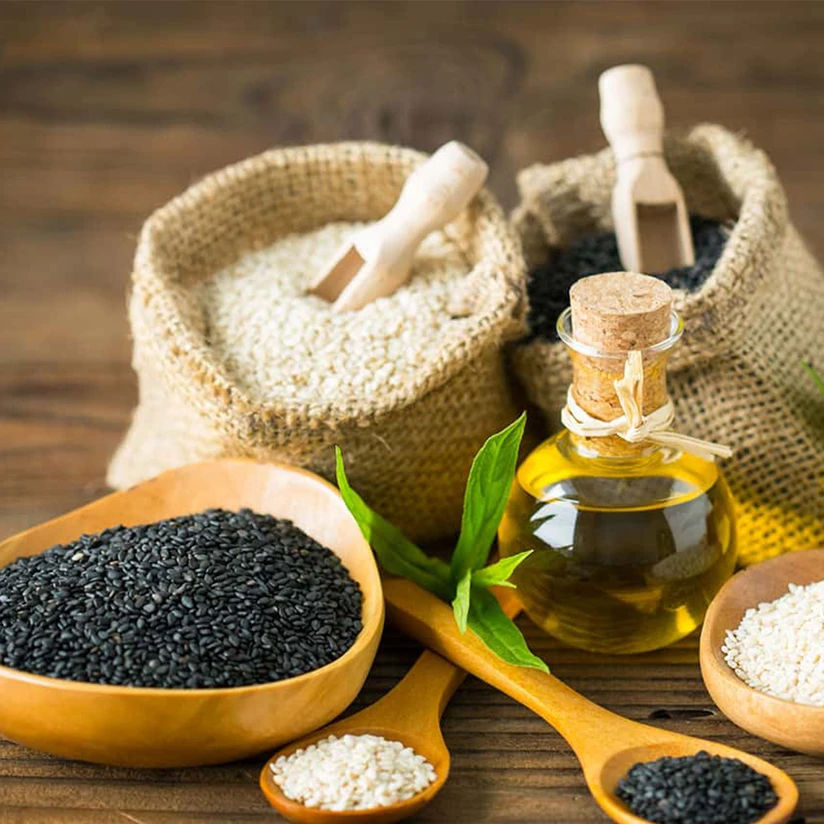
Do you experience excessive winter dryness that leads to dandruff, chapped lips, and cracked heels? This could be due to the vata dosha in your body. Try navel oiling with sesame oil to prevent dryness. The warming properties of sesame oil also improve blood circulation and boost immunity.
Featured Image Source
Related: Skincare Trends For 2025: Get That Winter Glow Without A 10-Step Routine
FAQs
Q1. How do you do navel oiling?
Clean the belly button and place 2-3 drops of oil into it. Gently massage the navel area, then block it with a small cotton swab.
Q2. Can you leave oil on the belly button overnight?
Yes, you can safely leave the oil in your navel overnight.
Q3. For how long do you have to practise navel oiling to get the benefits?
You must practise navel oiling for 21 days to see desired results.
Q4. Are there any side effects of navel oiling?
Yes, navel oiling can lead to skin irritation and allergic reactions if you use undiluted oils. You must use cold-pressed and diluted oils.
Q5. Is a patch test needed before navel oiling?
Yes, you must do a patch test to see if navel oiling suits your skin. If you have pre-existing allergies or skin conditions, consult a doctor before practising navel oiling.
- Share:
-

-

-