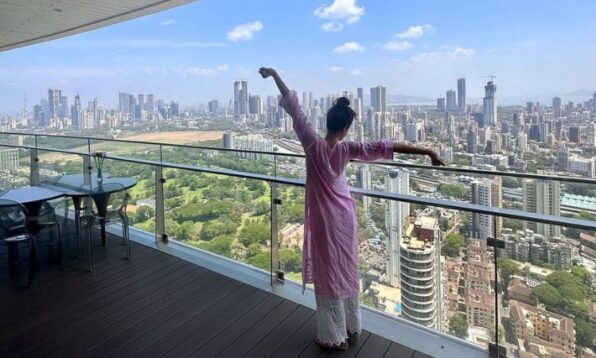
Web Stories
Is Your Main Character Energy Making You Lonely?


Do you imagine your life has an audience? Do you treat bad days like plot twists? Does “they’ll regret losing me” sound more like you than “I miss them”? Congratulations, you’ve got main character energy. But while you’re busy being the star of your own show, has anyone noticed the audience has left? The “main character” trend has taken over Instagram, telling us to live like we’re the hero of our own story. For many people, especially those who’ve spent years feeling invisible or overlooked, this mindset shift has been genuinely transformative. It’s helped them set boundaries, pursue dreams they’d shelved, and treat themselves with the kindness they’d only ever shown others. But like most things online, the trend has a shadow side. Somewhere between healthy self-regard and relentless self-focus, the main character syndrome risks creating the very isolation it promises to cure.
Is main character syndrome making us lonely?
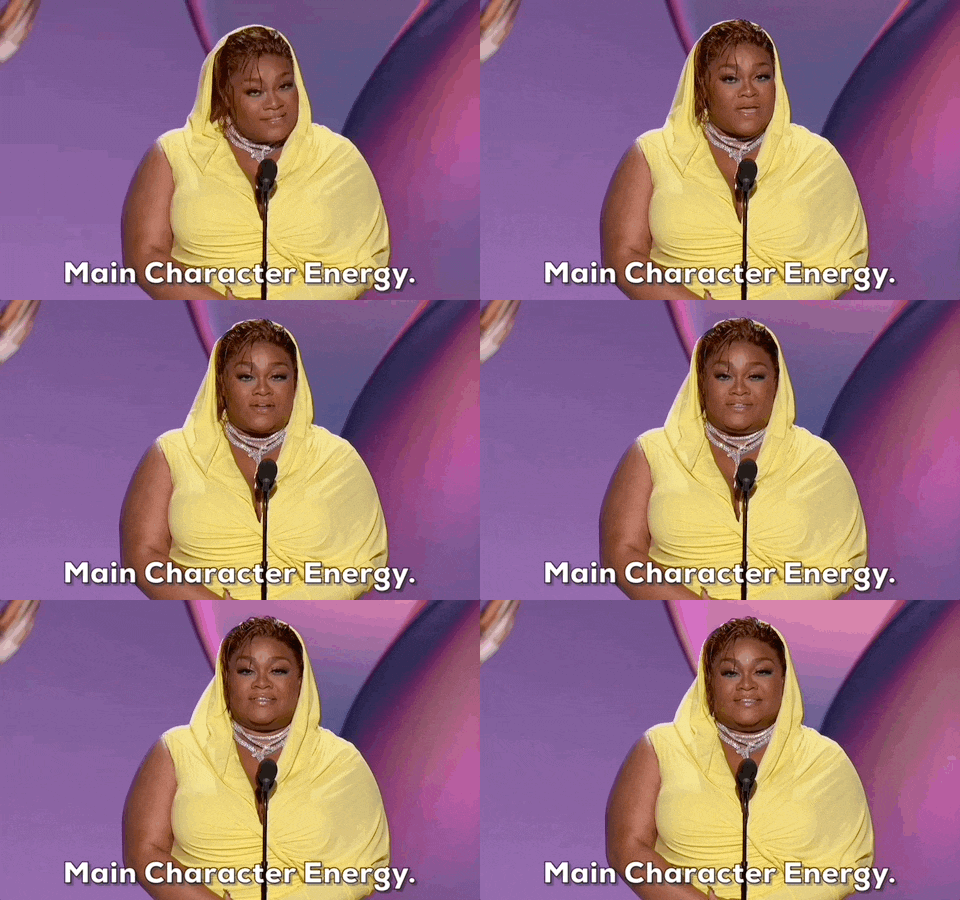
There’s something appealing about main character syndrome. It makes us feel important in a world that often makes us invisible. And that can be brilliant. But things get messy when that private confidence boost becomes a public show, one that needs constant likes and comments to survive. Social media rewards the performance of confidence more than confidence itself. We’re not just having empowering moments; we’re filming them, editing them, and measuring their worth by engagement metrics.
“A constant need to show the main character energy on social media can lead to a kind of performative healing, not real healing,” explains psychiatrist Dr Era Dutta. “One may be using fantasy-based coping. It may even be an overcompensation for how someone has actually been feeling by self-cheerleading, which can leave a person more isolated.”
Living in a fantasy doesn’t build real connections. It creates a make-believe world where we’re always the star, while our actual friendships fade from neglect. The more time we spend in that imagined version of ourselves, the lonelier we feel when real life doesn’t match up. And sometimes, we genuinely can’t tell the difference. Is posting about your “main character moment” an act of self-love or a bid for external validation? Both can be true at once. The line between celebrating yourself and performing yourself is thinner than we’d like to admit.
If everyone’s the main character, who’s listening?
Here’s another truth I have observed closely in life: if everyone’s the main character, who’s left to be the friend? Real relationships need balance. Sometimes, you’re the one sharing big news, and sometimes, you’re the one listening. But main character syndrome, when it goes too far, doesn’t leave space for that.
I know a friend who proudly says they are the main character, which is great. But they are so obsessed with being the main character that they forget so is everybody else, but only in their own lives. You can’t hijack other people’s lives to become the main character. My conversations with them only include their personal and professional life, without them ever asking about me. It’s exhausting. You lose the will to talk to these people or be around them. So while they might be getting validation on social media, they are unintentionally distancing themselves from real people.
Dr Era warns, “People around you can begin to label you as a narcissist, even though you may not be one.” She points out that if you act in a manner that is constantly self-centric, with entitlement, low empathy, spotlight-hogging and stealing others’ moments, your relationships will suffer.
How to get it right
So why is this trend so popular? Often, main character energy trend isn’t really about confidence. It’s about filling gaps. When we feel ignored or unsupported, imagining ourselves as the hero feels like taking back control. It’s easier to fantasise about being the underdog-turned-champion than to sit feeling ordinary or overlooked. We’re not just lonely. We’re creating an entire generation who can narrate their lives beautifully but can’t have a conversation where they’re not the plot.
But here’s an uncomfortable truth we should accept: sometimes, a relationship ends because it just didn’t work. Not because you were “too much” or they “couldn’t handle your growth.” Not because the universe was “redirecting you to something better.” Sometimes, two people simply aren’t compatible, and spinning that into a triumphant character arc where you emerge victorious is just avoidance.
Main character syndrome teaches us to reframe every disappointment as a plot twist in our favour. Got rejected? “Their loss.” Friendship faded? “Outgrew them.” Lost your job? “The universe is making space for my real calling.” But not everything that happens to you is actually about you. Sometimes, you’re just a person things happened to, and that’s not a failure of your narrative; it’s just life. Dr Era suggests not labelling everything as a plot twist or character arc. Not every hard moment needs a cheerful spin. Things can just be difficult, and that’s fine. Real confidence means being honest about all of it, not just the Instagram-worthy bits.
This doesn’t mean main character energy is all bad. There’s real value in backing yourself, in treating your life as something worth caring about. However, the trick is keeping it real, making sure your story doesn’t drown out everyone else’s. Life isn’t a film. Here, everybody is a main character in their own way.
If you have any mental health concerns, you can reach out to Dr Era Dutta on Instagram.
GIFs Source
Featured Image Source
Related: The Invisible War: How Constant Fear Rewires Women And Their Mental Health
- Share:
-

-

-